
How can we assure climate-resilient and sustainable development in different sectors and across scales by managing the Global Commons within Planetary Boundaries?
RD2 strives to improve the understanding of climate resilience, i.e. resilience of social and ecological systems to climate change, in various sectors and across multiple spatial scales. As a general framing for RD2 research, resilience entails aspects of persistence—the capacity of systems to resist and absorb short-term shocks, yet remain within critical thresholds; adaptability—the capacity to recover, adjust to changing external drivers, and thereby remain on the current trajectory; and transformability—the capacity to cross thresholds, if necessary, into new, robust long-term development trajectories.
Overarching themes:
- Assessing climate impacts and adaptation strategies across scales in different sectors. Improved impact attribution and societal risk assessment will be used for climate stress testing, considering extremes and compound events, climate overshoot dynamics, and multi-sectoral adaptation measures.
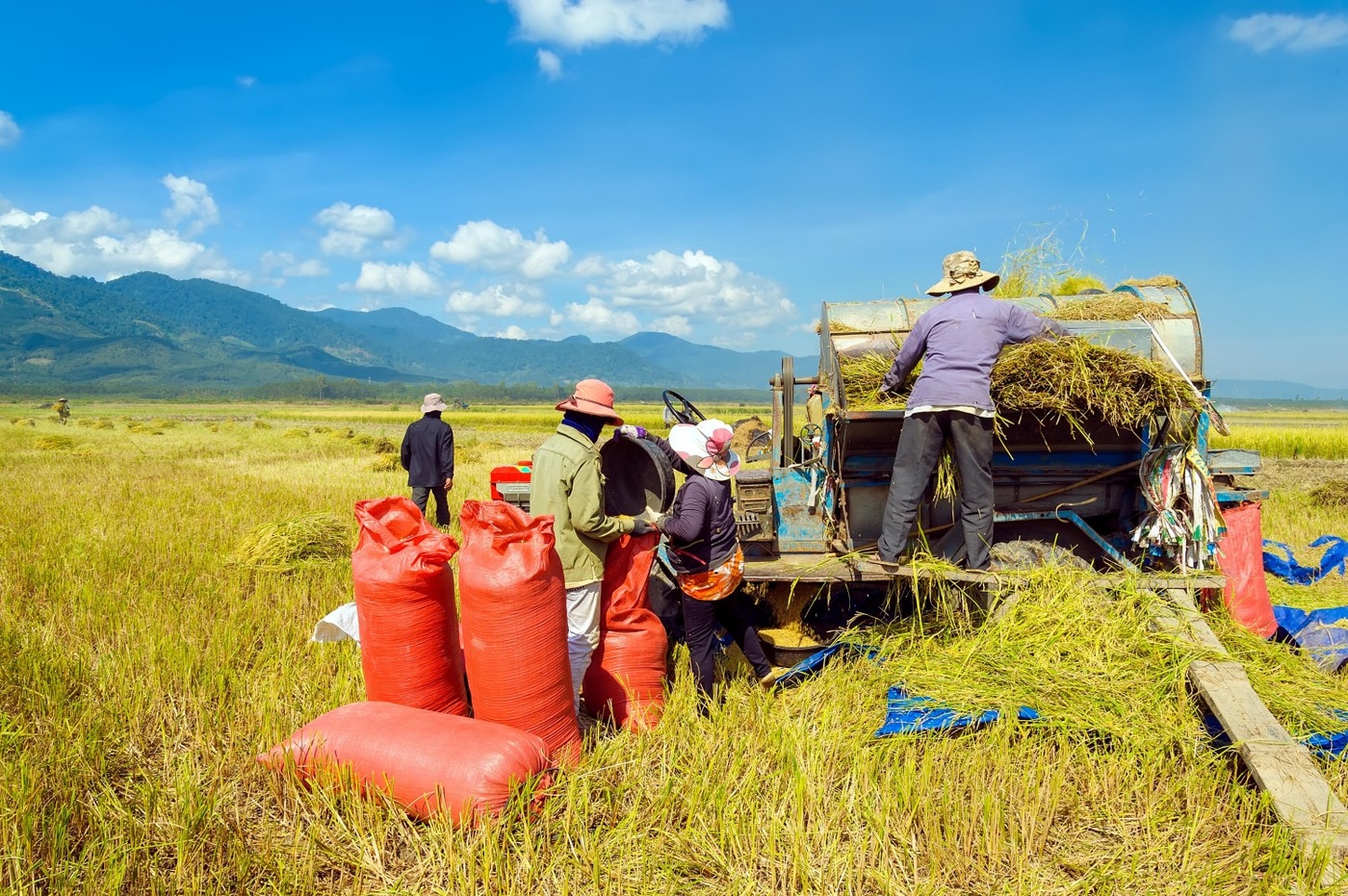
- Managing land, water, and the biosphere for safeguarding food and energy security, and planetary health (including human health). Improved integrated assessments will be applied at different scales, to support decision-making in adaptation and mitigation planning as well as sustainable management of the Global Commons.
- Exploring synergies between climate change adaptation and mitigation for climate-resilient and sustainable development. Innovative food-system solutions, biodiversity protection measures, and coherent policy bundles will be assessed for enhanced climate resilience and planetary health.
RD2 researchers apply empirical methods and process-based models to quantify climate impacts and improve the understanding of how climate resilience interacts with Planetary Boundaries at different scales. For example, climate impacts on land productivity and water availability may reduce the tolerable thresholds for human use beyond which key Earth system functions may not be sustained. Managing the Global Commons needs to take climate impacts and adaptation into account, as potential common goods like land, water, forests, or oceans are increasingly affected by climate change alongside socio-economic pressures. The societal goal of climate-resilient management of the Global Commons within Planetary Boundaries is to maintain and improve human health and well-being.
Scientific Coordination:
Peggy Michaelis
Phone: +49 331 288 2665
Office:
Stephanie Massar
Phone: +49 331 288 2637
Email: rd2team@pik-potsdam.de